
hello everybody how are you, today we will talk about crate training puppy first night, This is a very important topic and concerns many people.
Are you ready to make your new pet’s first night at home calm, safe, and surprisingly simple?
Bringing a new puppy into your life is thrilling, but settling in takes planning and patience. You will learn clear steps that help your dog feel secure during that crucial beginning.
Our short guide gives practical tips to set a quiet, comfortable space and a steady routine. These moves reduce stress and help you both sleep better.
We cover setting expectations, safety checks, and gentle methods so the transition into your home becomes a positive memory for everyone. Follow simple routines and you will build confidence and prevent later separation anxiety.
Key Takeaways
- Prepare a calm, safe space in your home before arrival.
- Use short, gentle steps to help your pet feel secure.
- Establish a consistent routine to improve sleep for both of you.
- Follow expert tips to support house habits and reduce stress.
- Small, patient actions set a strong foundation for long-term success.
Preparing Your Home for a New Puppy
Prepare a welcoming, secure zone in your house to help your young dog settle quickly. A little planning before arrival makes the transition calm for you and the rest of your family.
Setting Up Safe Spaces
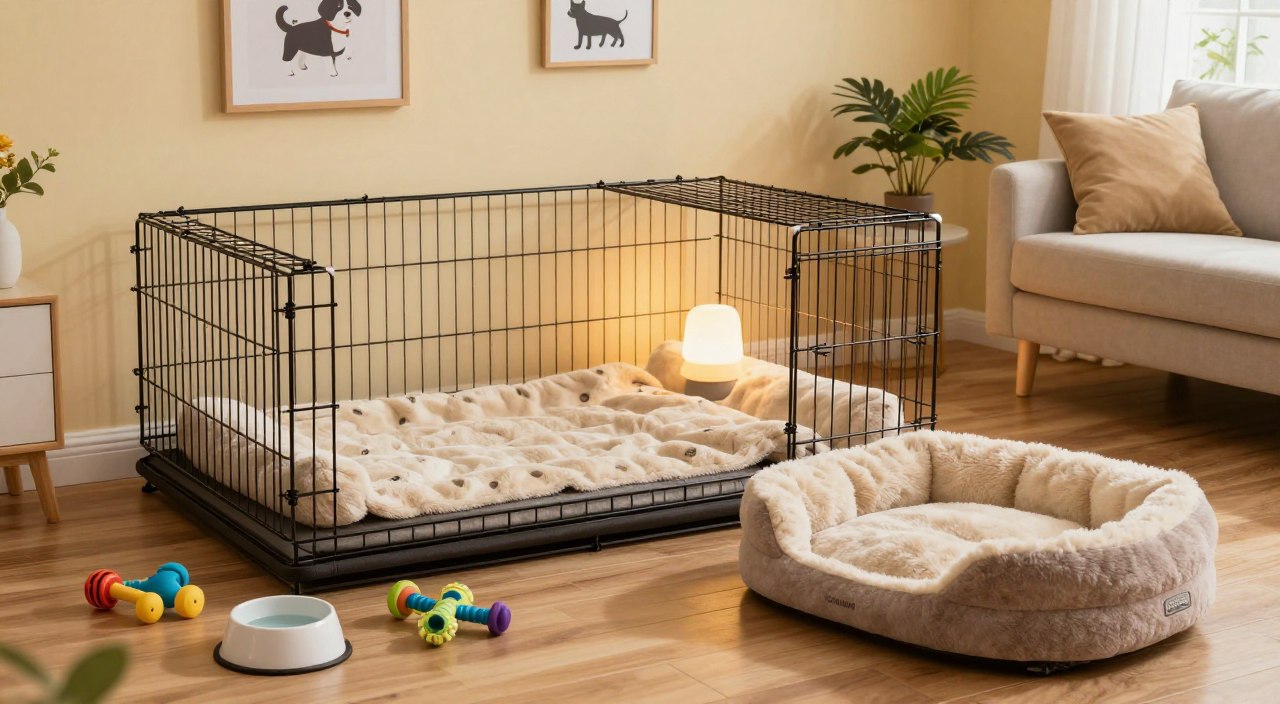
Designate one quiet area where the new puppy can rest and explore safely. Remove small objects, tuck away cords, and install baby gates to limit access to stairs or kitchens.
Place a comfortable bed and a few chew-safe toys so the dog has familiar items to return to. Make sure the chosen space is low-traffic and easy to supervise.
Establishing House Rules
Agree on clear rules with everyone in your family. Decide which rooms are off-limits and who will handle feeding, walks, and vet visits.
- Plan puppy safety by removing hazards and setting boundaries.
- Introduce the new puppy to other dogs slowly to prevent resource guarding.
- Keep routines consistent so your dog learns house limits quickly.
Preparing your home environment in advance helps the new puppy explore confidently while learning the rules. Small steps now will reduce stress and support a smooth start.
Essential Steps for Crate Training Puppy First Night
Ease your new arrival into your household with simple steps that turn an unfamiliar space into a comfort zone.
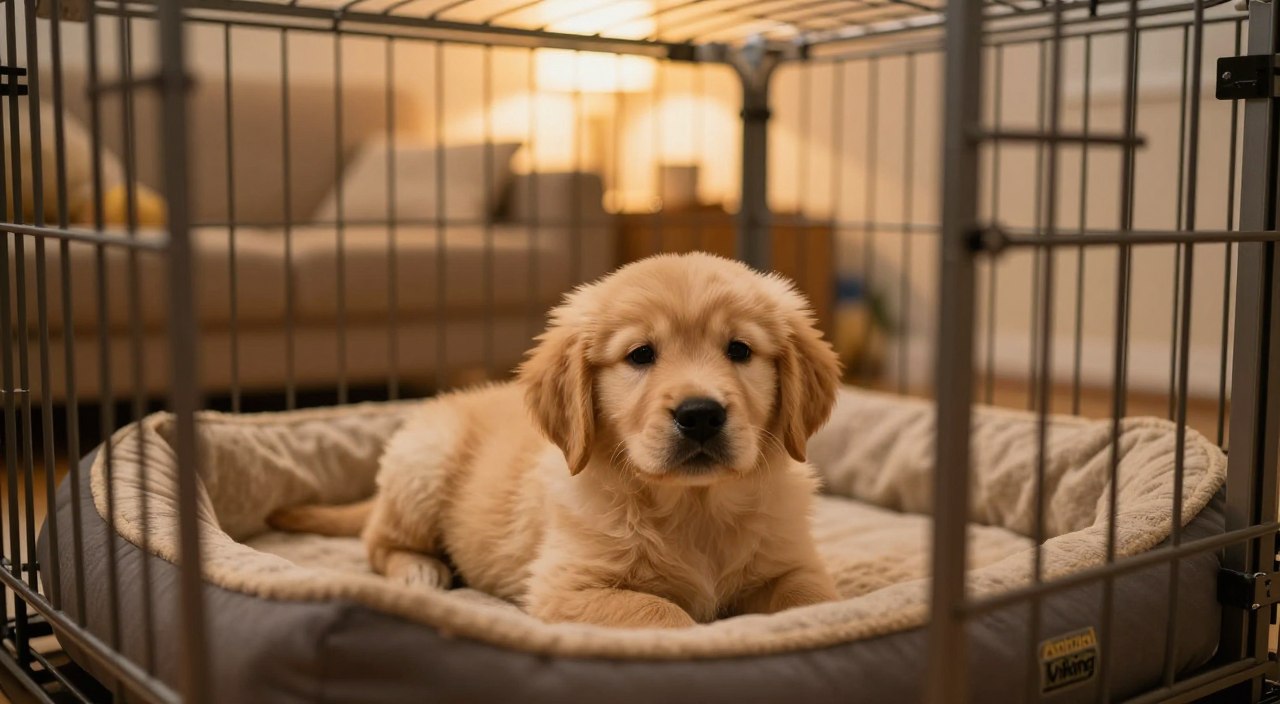
Set the space first. Place the crate in your bedroom for the initial 2–3 weeks so your dog feels close to the family. Have bedding, a safe chew, and water ready before you bring your new puppy home.
Keep a calm routine. Feed, play, and settle at similar times. This consistent pattern helps your pet learn house rhythms and reduces anxiety about being alone.
According to the American Kennel Club, crate training helps puppies feel secure and reduces anxiety during the first night.
“Consistency and gentle confidence are the fastest ways to help a dog accept a new safe spot.”
Use short, positive visits to the crate during daytime so the area feels normal. If the animal whines, respond calmly. Gradual steps teach independence and show the crate is a positive refuge, not a punishment.
| Step | What to do | Why it helps |
|---|---|---|
| Prepare | Set crate in bedroom with bedding | Provides comfort and closeness |
| Routine | Feed & settle at regular times | Builds predictable habits |
| Short sessions | Practice daytime rests in crate | Makes the space familiar |
| Calm response | Soothing, brief reassurance if upset | Reduces anxiety and reliance |
Creating a Comfortable and Secure Sleeping Environment
Create a calm sleep area so your new companion feels safe and ready to rest. A few small choices make a big difference for your dog’s transition from their previous home into yours.
Choosing the Right Crate Size
Make sure the crate gives enough room to stand, turn, and lie down comfortably. Too large a space can feel empty and unsettling, while too small is cramped and stressful.
The ASPCA recommends choosing a crate that allows your puppy to stand, turn around, and lie down comfortably without extra space.
Adding Comforting Items
Line the sleep crate with a soft bed and blankets to create a cozy place. Include a familiar blanket from the breeder when possible.
Comforting toys that mimic littermates help puppy sleep. Consider an Original Snuggle Puppy or iHeart Dogs Heartbeat Puppy Toy to add a steady, warm presence.
Place the crate in your bedroom for the first few weeks so your new puppy senses closeness. Keep the room warm, quiet, and free from sudden disturbances to support better sleep.
“A warm, quiet sleep space helps your dog feel secure and eases the move to their new home.”
- Use a soft bed and low lighting.
- Keep comforting smells and a heartbeat toy nearby.
- Check the crate size often as the dog grows.
Managing Your Puppy’s Energy and Feeding Schedule
Set a clear schedule for meals, play, and rest to help your new dog use energy well.
Plan puppy meals so you feed 3–4 small meals a day. Regular meals make potty breaks more predictable and support steady growth.
Feed some meals inside the crate to build positive association. After you put crate doors closed, give 3–4 tiny treats so the space feels rewarding.
Keep active periods spread through the day. Short play and light training sessions burn excess energy and make quiet periods easier. Use interactive toys for mental work between exercise blocks.
“A well-timed routine helps your dog relax and sleep longer.”
| What to do | When | Why it helps |
|---|---|---|
| Meals | 3–4 times per day | Supports growth and predictable bathroom time |
| Water | Limit 2 hours before bed | Helps your dog sleep 3–4 or up to 7–8 hours |
| Play & training | Short sessions throughout the day | Tires body and mind for longer rest |
| Rewards | After closing crate door | Creates a calm, positive habit |
By managing food and water and planning active periods, you can better predict when your dog needs a bathroom break. Make sure the routine is consistent to see steady progress.
Handling Nighttime Crying and Bathroom Breaks
When your new dog cries after lights-out, calm, consistent responses matter most. A steady plan helps you avoid rewarding vocal behavior while still meeting real needs.
Responding to Whining
Wait briefly before reacting. If the animal is crying in the crate, pause for 5–10 seconds and listen for a natural lull. This prevents you from reinforcing whining as a way to get attention.
Do not rush in for soothing if the sound seems attention-seeking. If you must check, keep contact minimal and calm so you don’t teach that noise wins you over.
The Humane Society advises against using the crate as punishment and recommends gradual training to build positive associations.
Managing Nighttime Potty Needs
Carry your pup to the designated spot for late bathroom breaks. Quietly use treats and low-voice praise to reward fast success and then return to the bedroom right away.
Age guides: Puppies older than 11 weeks often sleep 6–7 hours. Younger dogs may need a trip every 3–4 hours. Keep water limited a couple of hours before bed to help extend sleep periods.
“Keep the crate in your bedroom for the first few weeks so you can hear needs and respond quickly.”
- Use a favorite toy or blanket to lower anxiety and make the space inviting.
- If crying continues, lengthen daytime crate sessions gradually to build tolerance.
- Keep night interactions brief, calm, and reward-focused to return to sleep fast.
| Situation | Action | Why it helps |
|---|---|---|
| Short whining | Wait 5–10 seconds before responding | Prevents reinforcing vocal attention-seeking |
| Potty call | Carry outside; quiet praise and small treat | Avoids accidents and keeps calm routine |
| Frequent crying | Increase daytime crate time gradually | Builds comfort and reduces night fuss |
| Older than 11 weeks | Try sleeping 6–7 hours between breaks | Matches developmental bladder control |
Building Positive Associations with the Crate
Turn the crate into a cozy, welcome spot by linking it to meals and fun games.
Always feed your puppy meals inside the crate with the door open. This helps your dog connect food with the space and removes fear about going in.
Use simple, treat-based games to make the area feel rewarding. Hide small treats in puzzle toys and let your dog find them while the door stays open.
Do short daytime sessions every day so your dog learns to relax alone. Give treats every time they enter the space to reinforce calm behavior.
Independence practice matters. Regular, gentle alone periods cut the chance of separation anxiety and teach your dog that being in their space is safe.
“Consistency from everyone in the house is the fastest way to make the crate a place your dog chooses.”
- Feed meals there with the door open.
- Use puzzle toys filled with food for quiet periods.
- Keep all family members following the same rules.
Final Thoughts on Your Puppy’s First Night
With a calm approach and steady routine, you set the tone for a confident new dog. A comfortable bed and quiet room help your new puppy settle, and short, gentle check-ins give needed reassurance.
Most puppies adjust within a few days and the crying will drop as they learn the schedule. Keep bedtime cues and daytime practice consistent so your dog knows what to expect.
Enjoy these early moments. They pass quickly and form the basis for a strong bond at home. If problems persist, you may need to tweak the routine or seek professional help to support puppy sleep and overall comfort.